
Robin Lewis
O.D., F.C.O.V.D.
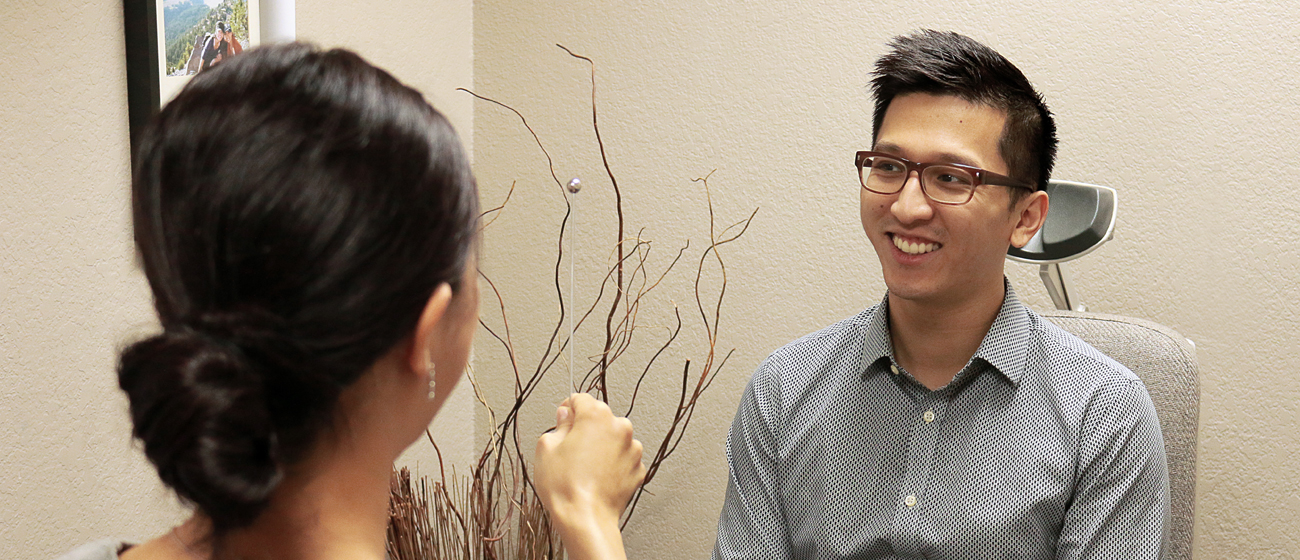
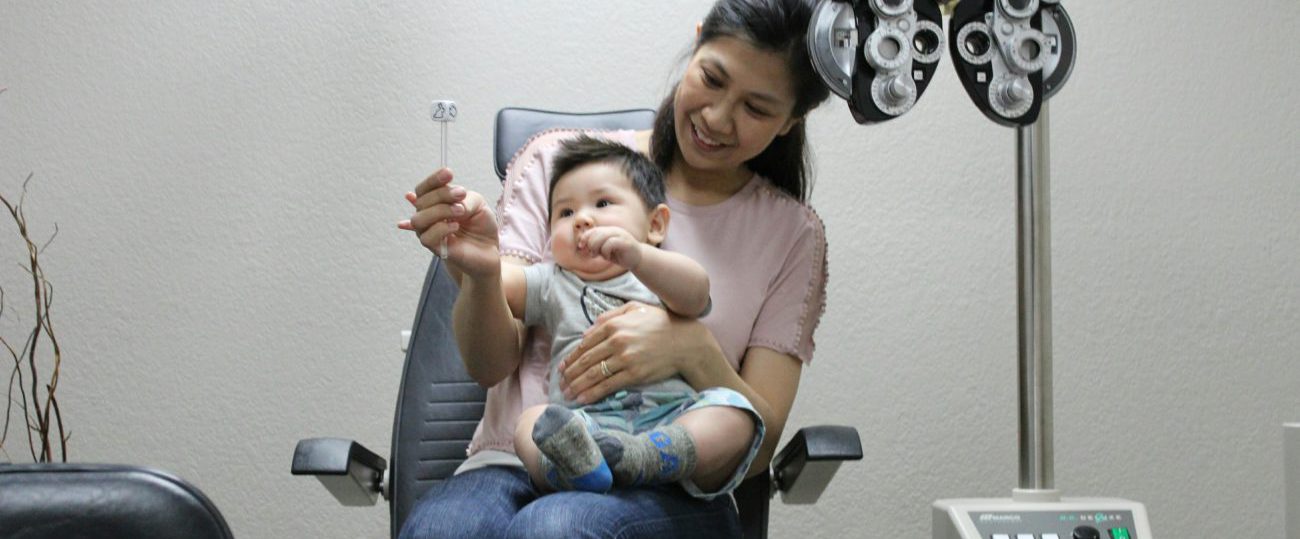
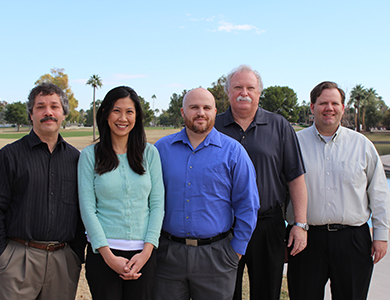
Welcome to our office. We have been serving the greater Maricopa County area for 35 years. We are dedicated to helping our patients learn how to use their vision in a more meaningful way and be more successful in whatever they do. We see patients of all ages. We welcome families and dedicate a large part of our practice to vision care for children and infants. Our office is a teaching office with an international reputation for excellence. We regularly host optometrists from around the globe for visitation and formal coursework. We are adjunct faculty at colleges of optometry and usually have one or more student doctors in attendance.
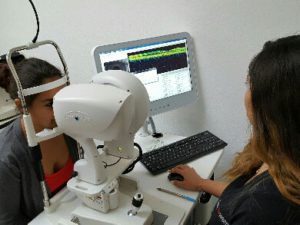
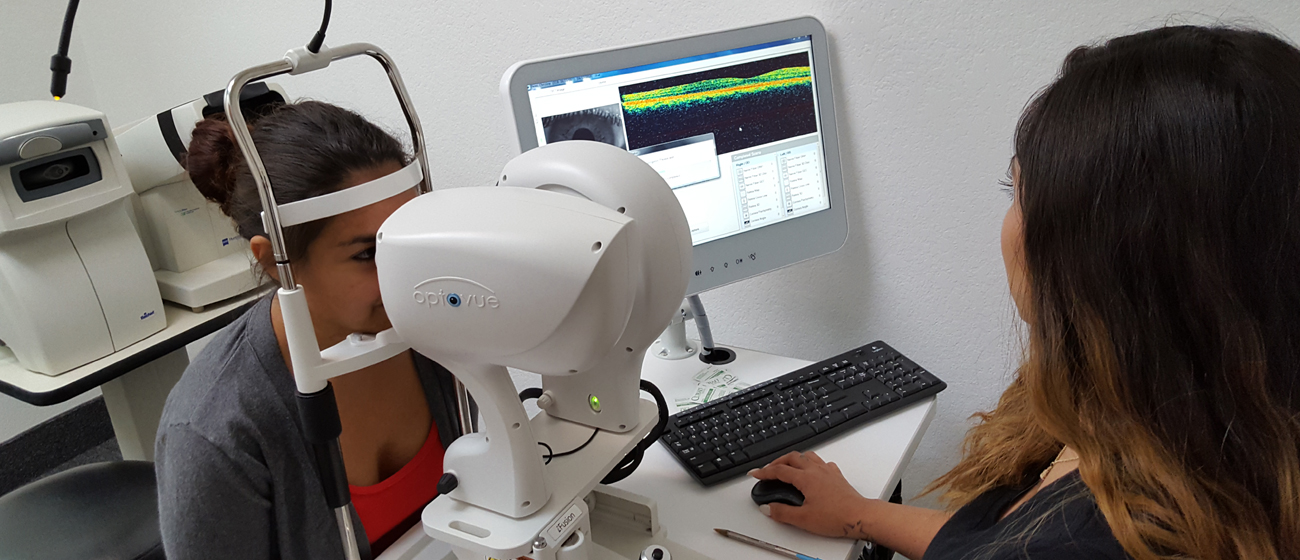
We diagnose and treat eye diseases in our office including macular degeneration, cataracts and diabetic eye diseases. We refer our patients to the best surgeons for cataract and…
Read More
Nearsightedness,often referred to as myopia, is the most common reason people under 40 visit the eye doctor. The visits usually result in glasses that correct the blurriness far away (the board…
Read More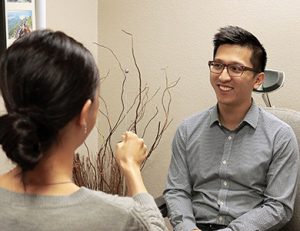
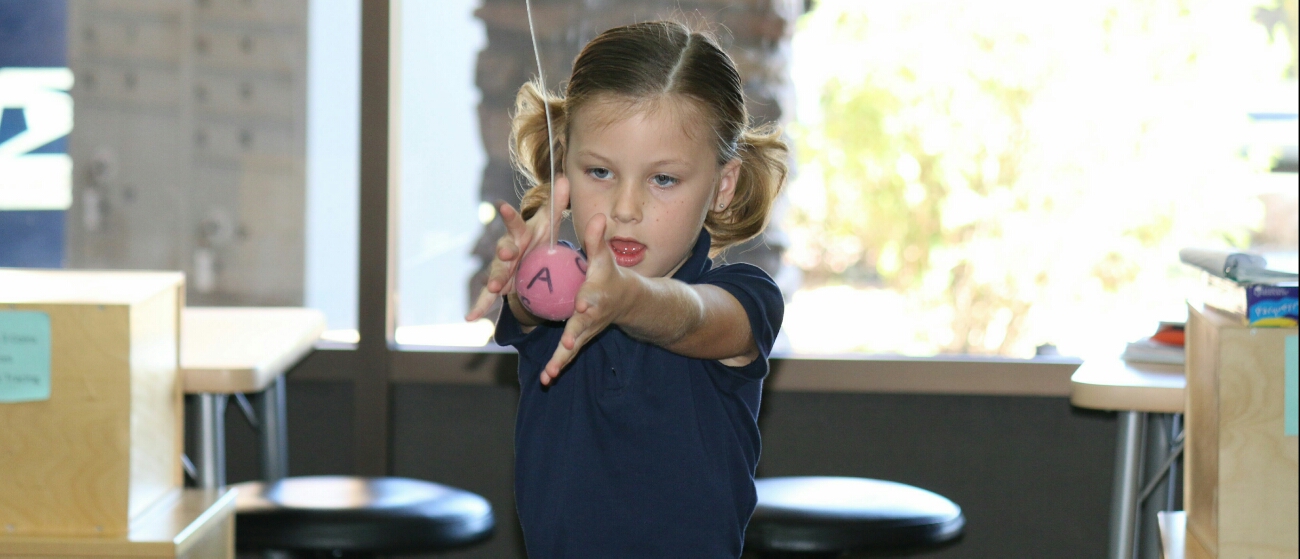
We prescribe lenses and therapy to help patients achieve their potential. We can see conditions such as nearsightedness or astigmatism before it happens. Very often we can slow down the…
Read More
O.D., F.C.O.V.D.
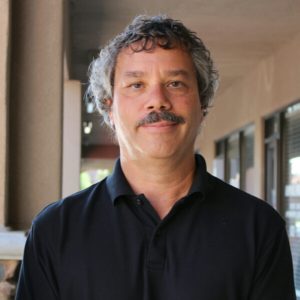
O.D., F.C.O.V.D.

O.D., M.Ed.
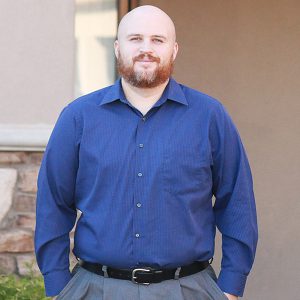
O.D.
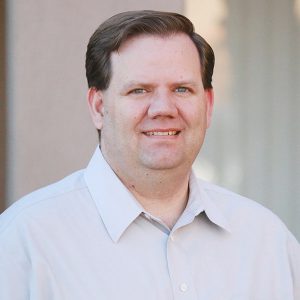
O.D.
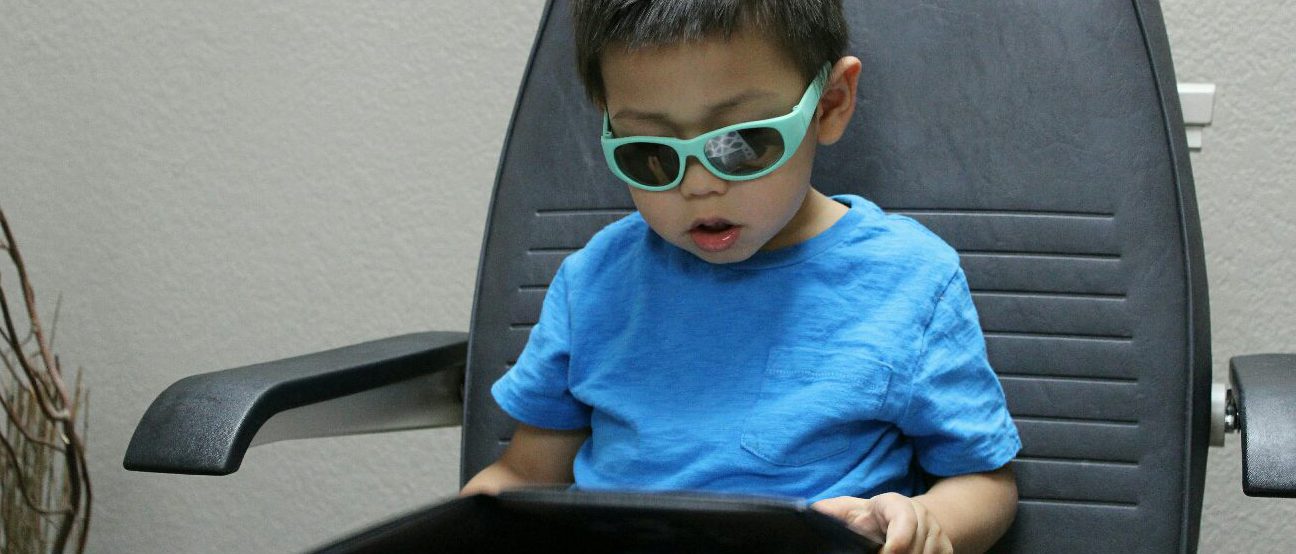
I am so grateful for Vision Therapy. My son, Gage was losing vision in one eye. He couldn't see 3D and often saw double. His hand-eye co-ordination needed work. He would get so frustrated with…
Vision therapy has helped me in many ways. I used to have trouble reading, now I can read chapter books. I used to trip a lot but now I don't. I didn't use to like P.E at school but now I think…
When i started vision therapy, I had a hard time seeing letters because I lost my place and I saw double or blurry sometimes. Now after vision therapy I can read better because words aren't…